• English Connect Advancement

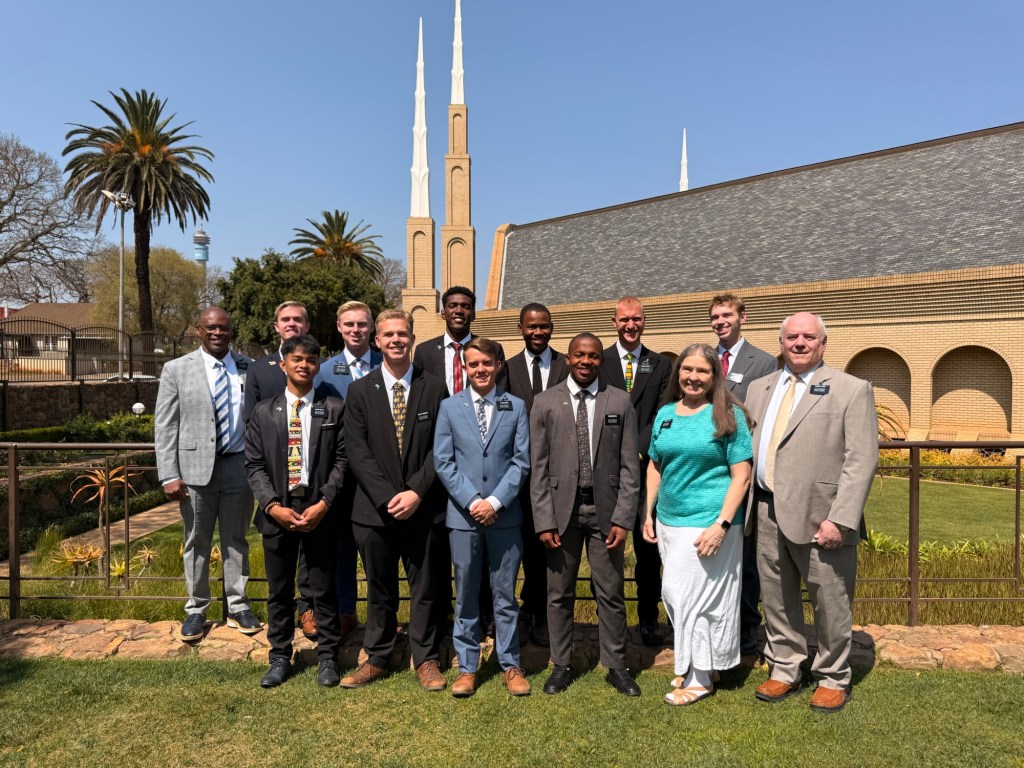
    Last week during a missionary training conference, I had the privilege of witnessing a remarkable English Connect recognition ceremony. Missionaries from Madagascar, the Philippines, Switzerland, and across Africa were celebrated for their dedication and progress in developing their English skills. For many of these missionaries—who come from extremely humble backgrounds, this recognition represented far more than language achievement. It symbolized hope, growth, and divine opportunity.

    English Connect isn’t just a program for improving communication; it’s a bridge to greater opportunity. For many of our missionaries, it’s the first step toward enrolling in BYU–Pathway Worldwide—a divinely inspired program that offers access to higher education, certificates, and degrees. This educational foundation helps returned missionaries strengthen their families, lift their communities, and continue building the kingdom of God in powerful ways.

    In a recent BYU devotional, Sister Jane Clawson expressed a truth that resonated deeply with me. “Talent is equally distributed, but opportunity is not. The reason BYU–Pathway works is because it is divinely inspired. It reaches into the most unlikely places—to the poorest city streets and to the most remote rural villages—where people have only dreamed of getting a college degree. It meets these students where they are, with structure, support, and a spiritual foundation.
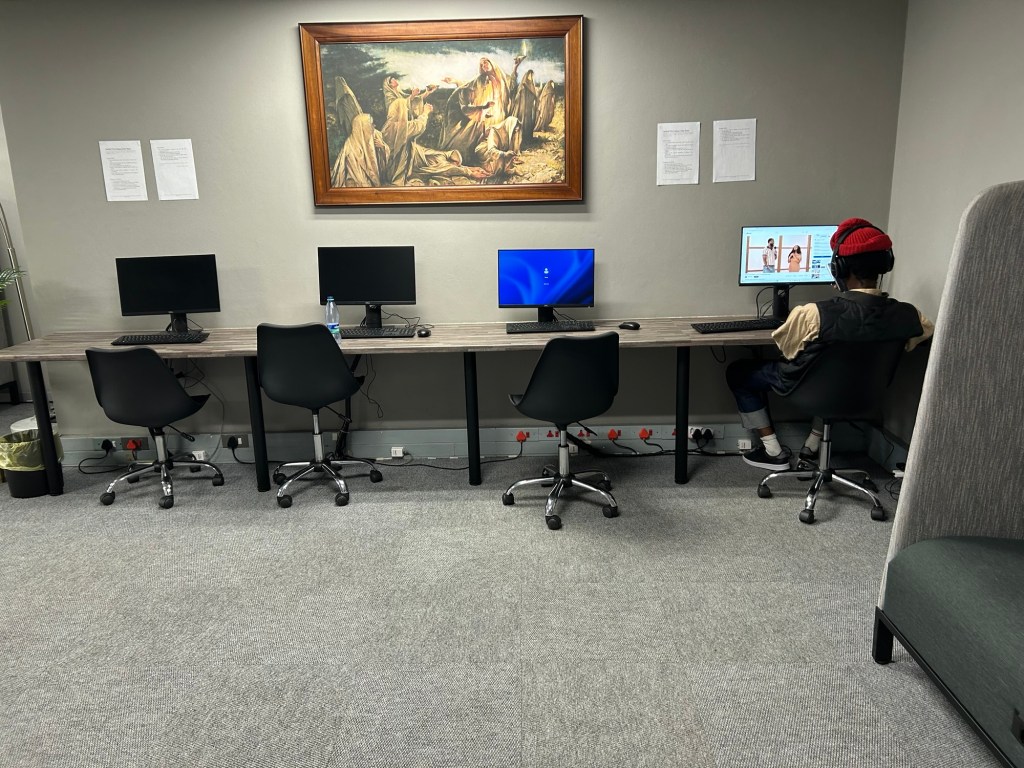
    BYU Pathway Learning Center University of Pretoria YSA Center

    BYU–Pathway is lifting families out of poverty, strengthening communities, preparing a new generation of leadership in the Church across the world, and enabling the very gathering of Israel.”

    Her words echo exactly what I have witnessed while serving in the South Africa Pretoria Mission. English Connect, the Perpetual Education Fund, and BYU–Pathway Worldwide are working together to create pathways of faith, education, and opportunity—especially for those who may have few temporal resources but infinite divine potential.

    Sister Clawson also shared an observation that I know to be true, because I have had numerous conversations with missionaries from underdeveloped communities who quietly worry about what awaits them after they return home. For some, that anxiety even manifests physically—as they contemplate the dramatic shift in lifestyle and opportunity between mission life and home life.

    I have observed several examples of companionships of missionaries, equally yoked in faith, both capable, both driven. Yet when they return home, their paths diverge. One goes back to a developed country to educational opportunities and family financial support and their companions return to a world with limited access to higher education, steep unemployment, and financial uncertainties. For them, BYU–Pathway is hope. It is the bridge that keeps them moving forward, professionally and spiritually.”

    Although I have seen this tale of two cities reality with my own eyes among missionaries from a host of countries, I have also seen how English Connect and BYU–Pathway Worldwide are changing that reality — one missionary, one family, and one community at a time.

    I know that English Connect, BYU–Pathway Worldwide, and the Perpetual Education Fund are part of the Lord’s plan to bless His children across the earth. I have seen how they lift the humble, empower the faithful, and open doors that once seemed sealed.

    I testify that these programs are divinely inspired. They are modern day instruments in the Lord’s hands—tools of mercy, education, and eternal growth. When we support them, teach in them, or simply encourage those who participate, we are helping the Lord “raise up disciples in all nations” (Doctrine and Covenants 1:23).

    To every missionary striving to learn, to grow, and to serve—know that the Lord sees your effort. English Connect is not just helping you speak another language; it is helping you find your voice in His great work.

    🎥 I invite you to watch the BYU devotional that inspired this post: https://youtu.be/afQ1Brr0szk?si=YnK7QMWQ9MfIkGGp
  • Phoenix Arizona Temple

    There are moments in life when words fall short—when the heart aches in ways that language cannot reach. In those moments, heaven often speaks through the quiet power of music. For my daughter, Risa, and I, sacred songs have been more than melodies; they have been prayers, companions, and gentle reminders that Jesus Christ is always near, even in seasons of loss, depression and healing.

    One of the things that has helped us in our individual grief journeys has been listening to the inspired Youth Albums from The Church of Jesus Christ of Latter-day Saints. These songs have carried us through seasons of grief, faith, and growth—they have truly become companions in our life journey.

    🎵 “Look Unto Christ” declares:

    There’s a light in the darkness.
    When it all seems hard to bear,
    He’s the hope in the struggle.
    When it all seems more than you can take, He’ll take your pain.

    Another song, “I Can Do All Things,” reminds me: Through my hills and valleys, Every storm-tossed sea,
    I can feel my Savior so close to me.

    These songs remind me that I am never alone in my challenges and that through Christ, I can find peace even in the hardest times.

    If We Love Him

    Risa’s Testimony: The Healing Power of Music and how sacred music helped her as her mother, Tisa, valiantly walked forward in hope, faith and prayer during her 11 year battle with metastatic breast cancer:

    Music has always been a spiritual language for me. No matter what stage of life I have been in, the songs from the youth albums have been like trusted friends—lifting, teaching, and testifying when words alone could not.

    When I was grieving the loss of my mom, I found that these songs brought a peace that nothing else could. In her final days, I sang Primary and youth songs to her. Those moments remain sacred to me. The words and melodies invited the Spirit and brought comfort to both of us—reminding me that through Christ, even sorrow can be sanctified.

    Risa and Piper singing Peace in Christ

    Even now, I still listen to those same songs. Music speaks to me in a way nothing else can. It reminds me of gospel truths, brings me comfort, and always points me back to the Savior. Just as Sister Tracy Y. Browning said in her General Conference address “Tune Your Heart to Jesus Christ: The Sacred Gift of Primary Music”:

    ‘Primary music can be a miracle carried along the lifelong arc of discipleship that our children will travel. A song learned at age six has the power to stay with us—and can return decades later in moments of decision, temptation, grief, or joy.

    They are sermons for disciples of Jesus Christ, testimonies to the truthfulness of the restored gospel, and prayers set to music. Sacred music can shine the Light of Christ on the hearer and can pour it into the heart of the singer.’

    I have felt that personally. Through sacred music, the Lord has healed me.

    Risa’s testimony is a powerful reminder that Heavenly Father often speaks to our hearts through music. Inspired songs can give voice to our prayers, soften our grief, and turn our hearts towards the Savior’s love.

    Music truly is a divine language—one that speaks peace to the soul while bringing us closer to Christ.

    I invite you on those days when you need a lift to listen to the inspired songs, from the youth music albums here:
    👉 Youth Music Albums – The Church of Jesus Christ of Latter-day Saints (https://www.churchofjesuschrist.org/youth/music?lang=eng)

    Through every season of life, the Savior has used music to remind us that His love is constant and His comfort is real. For both Risa and I, sacred songs have become more than words and notes—they are witnesses of Christ’s healing power and invitations to feel His peace. I know that when we open our hearts to the Spirit through inspired music, heaven draws near, and we are reminded that in Christ, there truly is peace.

    “Peace I leave with you, my peace I give unto you: not as the world giveth, give I unto you. Let not your heart be troubled, neither let it be afraid.”
    — John 14:27 (KJV)

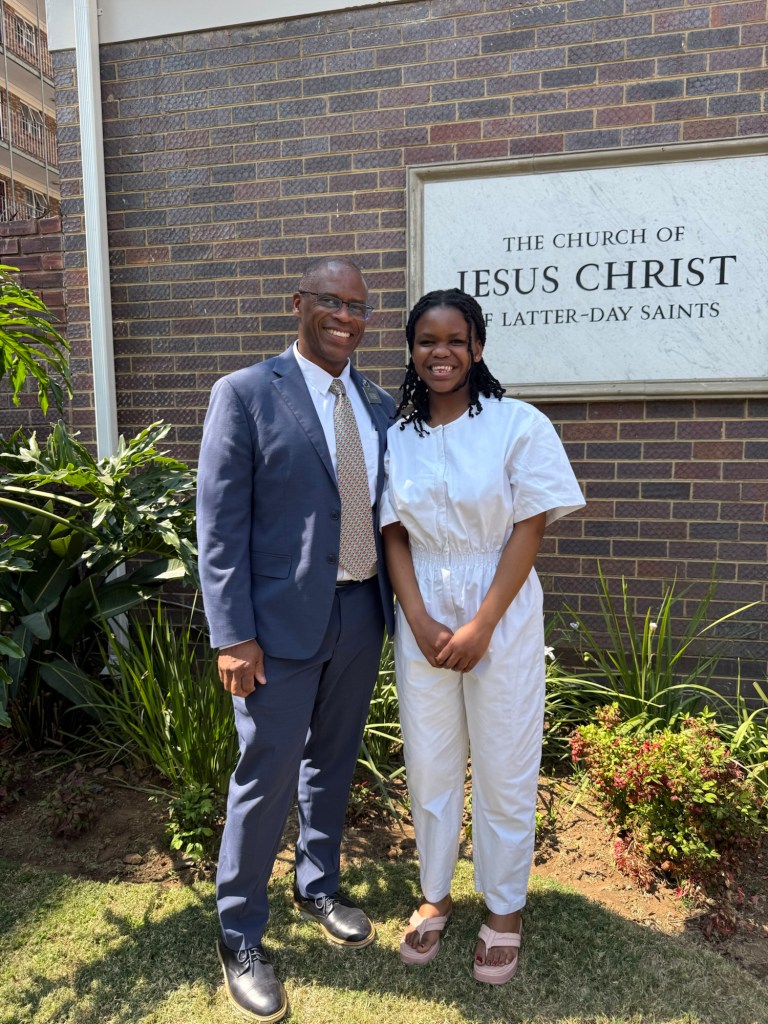
  • As a missionary serving in the South Africa Pretoria Mission, I have been deeply touched by the joyful spirit of the Saints here. It is something you feel even before you fully understand it — a quiet strength that radiates from smiling faces, even in the most difficult of living conditions.

    You may look at a picture of a tin-roofed home or a dirt path winding through an informal settlement and feel pity. But when you meet the people who live there, your heart changes. You don’t walk away with pity — you walk away inspired. You walk away with your faith renewed.

    Elder Carlos A. Godoy, in a recent General Conference talk, said:

    “The greatness of our Saints in Africa becomes even more evident as they face life’s challenges and the demands of a growing Church. They always approach it with a positive attitude.”

    I have not been inside homes located within informal settlements, but I have worshipped and served alongside many wonderful people who currently live in these areas. I have visited very humble homes — and what I have experienced in them has strengthened my testimony more than I can say.

    These Saints live in what the world might describe as lack, but they are rich in the things that matter most. Their eyes shine with faith. Their words are full of love. Their smiles come from deep discipleship.

    “We see their positive attitude because they center their lives in the gospel of Jesus Christ. They know where to find help and hope,” Elder Godoy continued.

    Their strength is not born of ease. It is born of their relationship with the Savior. As He taught in the Book of Mormon:

    “By their fruits ye shall know them.” (3 Nephi 14:20)

    The fruit I see here is joy — not circumstantial, but spiritual. It’s the joy that comes from knowing who you are, whose you are, and where your help comes from. These Saints are true disciples of Jesus Christ, described in the Doctrine and Covenants:

    “Disciples of Jesus Christ are those who receive His law and do it.”(Doctrine and Covenants 41:5)

    In the homes I have visited, the gospel is not just spoken — it is lived. I have seen it in the reverence of family prayers, the warmth of hospitality, the strength of parents teaching their children to walk in the light of the Lord.

    “They find joy despite their challenges,” Elder Godoy said.

    “They have learned that our relationship with the Savior enables us to approach difficulties with smiling faces and grateful hearts.”

    The pictures I am sharing are not meant to highlight poverty — they are meant to highlight power. The power of faith. The power of hope. The power of a people who have made Christ the center of their lives and who walk with Him, even when the road is hard.

    As I have served here, my testimony has deepened: Christ walks with the humble. He knows the names and needs of His people — in every township, every village, and every heart. And He is smiling with them.

    “Adam fell that men might be; and men are, that they might have joy.” (2 Nephi 2:25)

    May we all learn from these Saints. May we center our lives more fully on Jesus Christ — not just in comfort, but especially in trial. Because in Him, even in the hardest circumstances, we can all have smiling faces and grateful hearts.

    I have come to know that joy is not tied to our possessions or surroundings, but to our relationship with Jesus Christ. I testify that He knows each of us — rich or poor, seen or unseen — and He walks with those who walk with Him. I have seen the light of Christ in the eyes of humble Saints, and I have felt His Spirit in small, simple homes filled with faith. The people of South Africa have taught me what it means to be a true disciple — to smile through hardship, to serve with gratitude, and to live with hope rooted in Christ.

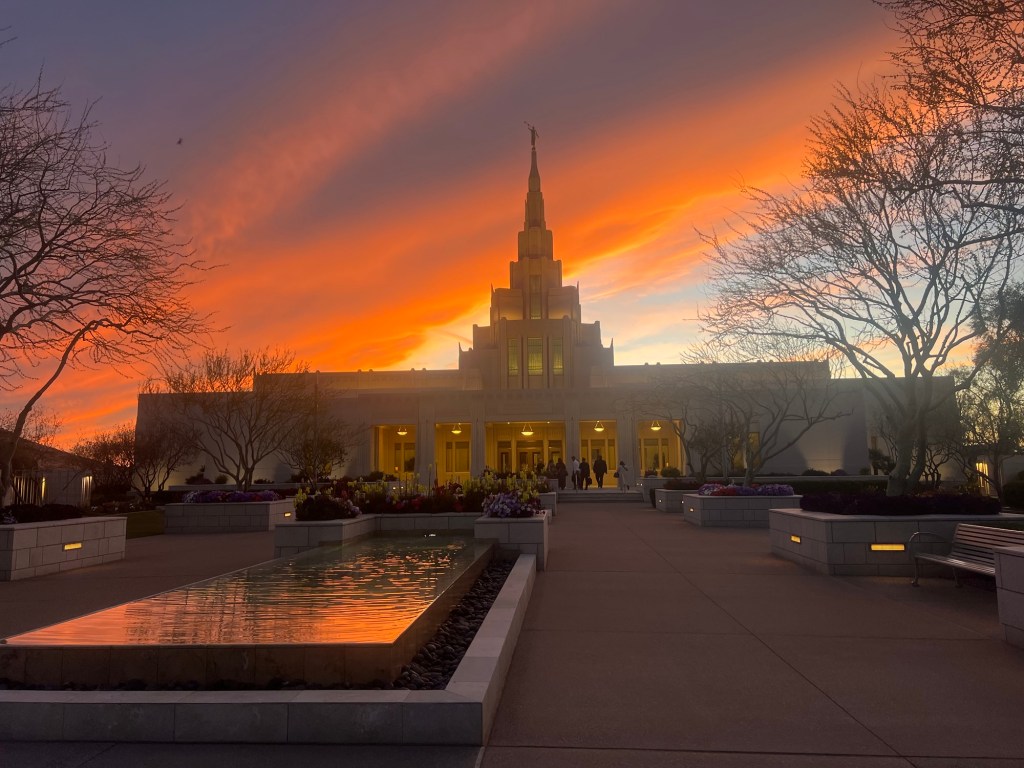
  • Phoenix Arizona Temple

    This week has been a week of reflection for me. Overnight, we received the news that President Russell M. Nelson, the prophet of the Lord, passed away. As I made the 100-kilometer drive to church, my heart was filled with thoughts of gratitude for the remarkable influence he has had on my life.

    President Nelson once said: “I have learned that the most crucial question we each must answer is this: To whom or to what will I give my life?” For me, the answer is clear: I will give my life to Jesus Christ. The decision to follow Christ is one of the most important I have ever made.

    One of the most meaningful changes President Nelson made was shifting the language of the temple recommend questions from “Are you…” to “Do you strive…?” That shift taught me that discipleship is not about perfection, but about direction. It reminds me that as long as I am sincerely trying, the Lord accepts my efforts. For someone who often feels like he is falling short, that message meant the world to me.

    President Nelson also taught us to be peacemakers in a world filled with contention. He urged us to “think celestial” and see beyond the temporary distractions of mortality. His words brought healing to my soul and gave me courage to move forward in faith. He was the prophet who was inspired to extended the opportunity serve a mission to single senior males and I will forever be grateful for that call to discipleship.

    Righteous Desire of a Sons Heart

    In his final conference messages, he spoke often of the significance of temples in the gathering of Israel. In one of my favorite quotes he testified:

    “My dear brothers and sisters, construction of these temples may not change your life, but your time in the temple surely will. In that spirit, I bless you to identify those things you can set aside so you can spend more time in the temple. I bless you with greater harmony and love in your homes and a deeper desire to care for your eternal family relationships. I bless you with increased faith in the Lord Jesus Christ and a greater ability to follow Him as His true disciples.”

    Those words feel even more powerful today. The temple is where we find the Savior, strengthen our families, and anchor our faith in eternal truths.

    I know President Nelson was a prophet of God. I know Jesus Christ leads His church today through living prophets. I know that Joseph Smith was called by God to restore the gospel of Jesus Christ, and that the Book of Mormon is true. Most of all, I know that Jesus Christ is the Savior and Redeemer of the world.

    President Nelson’s name will always be tied to my continued conversion, my decision to serve a mission, and my desire to follow the Savior. His teachings will live on in me, and I testify that they are true and add another quote that carried me through difficult times:

    “When the focus of our lives is on God’s plan of salvation, which President Thomas S. Monson just taught us, and Jesus Christ and His gospel, we can feel joy regardless of what is happening—or not happening—in our lives. Joy comes from and because of Him. He is the source of all joy.”

    In the name of Jesus Christ, Amen.

  • I have been serving in Pretoria South Africa for almost two months, and lately I have been reflecting on what it truly means to be converted to the Lord and not just to have a testimony of Him.

    Elder David A. Bednar taught: “Knowing that the gospel is true is the essence of a testimony. Consistently being true to the gospel is the essence of conversion.”

    That distinction is powerful. Obtaining a testimony is the beginning. It is knowing that Jesus is the Christ, that Heavenly Father lives and loves us, and that His gospel has been restored. But conversion is something deeper. It is a change of heart, a change of desires, and a willingness to live true to that testimony no matter the circumstances.

    Elder Bednar also taught that “testimony is a point of departure; it is not an ultimate destination.” In other words, knowing the truth is not enough unless we allow it to transform who we are.

    BEHOLD, HE COMETH By Simon Dewey

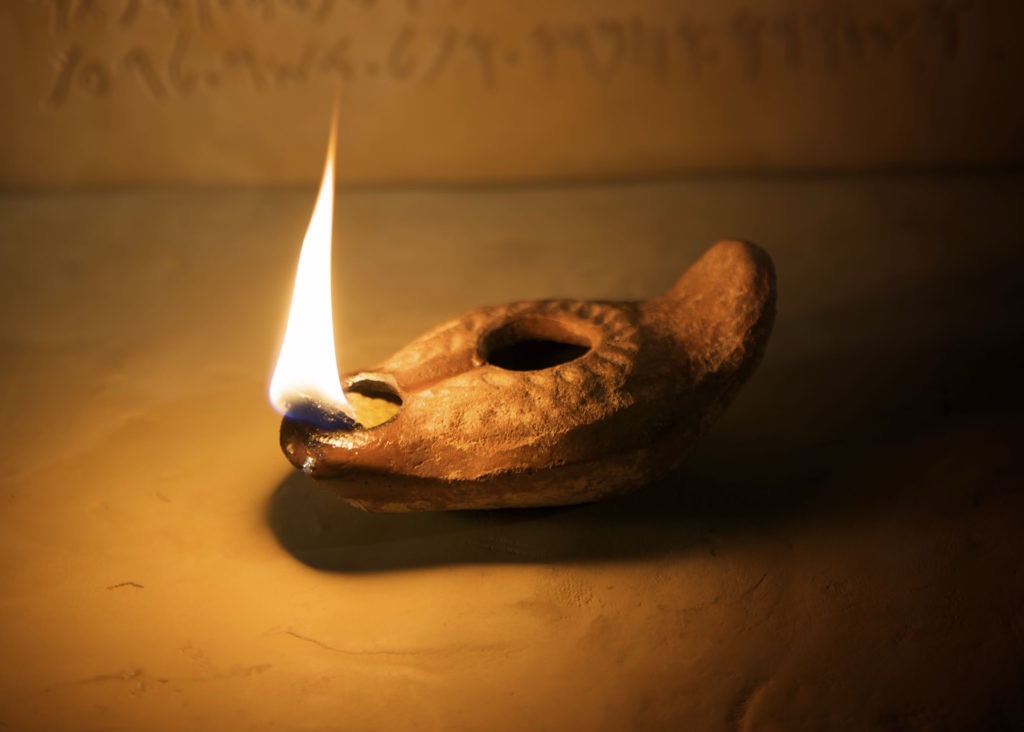
    The Savior illustrated this principle in Matthew 25:1-13 in which he presents the parable of the ten virgins. Five were wise because they prepared oil in their lamps. They didn’t just know the Bridegroom was coming, they acted on that knowledge, continually adding to their oil supply, staying ready, steadfast, and faithful. In much the same way, lasting conversion is about consistently filling our lamps with faith, repentance, and righteous living.

    In Helaman 15:7-8, Samuel the Lamanite outlines five essential elements of conversion: Believing in the teachings of the prophets. Exercising faith in the Lord Jesus Christ. Repenting. Experiencing a mighty change of heart. Becoming firm and steadfast in the faith.

    This is the pattern I strive to follow during my mission. I do not want to simply be on a mission; I want to be serving a mission—helping others gain not just a testimony, but a lasting conversion to Jesus Christ, the true source of peace, joy and happiness.

    Elder Bednar also reminded us that conversion doesn’t happen all at once. It is “an ongoing process in which we learn line upon line and precept upon precept.” That gives me hope. Each act of obedience, each moment of service, each prayer, and each testimony shared brings me closer to the Savior and helps me become more like the wise virgins—steadfast, prepared, and fully devoted to Him.

    As I serve, my prayer is that my own lamp will be filled with the oil of conversion so I can help others fill their lamps as well. Because in the end, peace, joy and happiness are not found in merely knowing about Christ, but in truly coming unto Him.

  • The Protectors

    During a recent trip to Kruger National Park, I watched a family of elephants move together along a riverbed. They stayed close, the older ones protecting the younger ones from the unseen damages, and all of them moving in harmony. As I observed them, I was reminded of one of God’s greatest creations and blessings—our families.

    The Preditors

    From the beginning, families have been central to Heavenly Father’s divine plan. The Apostle Paul declared: “For this cause I bow my knees unto the Father of our Lord Jesus Christ, Of whom the whole family in heaven and earth is named” (Ephesians 3:14–15). Heavenly Father’s plan of happiness is not just for us as individuals—it is for our families as well.

    Through the Restoration of the gospel of Jesus Christ, the priesthood keys necessary to bind families together for eternity were returned to the earth. Because of those sacred keys, and through the infinite Atonement of our Savior Jesus Christ, we have the opportunity to be united with our loved ones beyond the veil of death.

    President Russell M. Nelson testified: “In God’s eternal plan, salvation is an individual matter; exaltation is a family matter.”

    I know with all my heart that families are meant to be eternal. I know that through the restored gospel of Jesus Christ, families can be sealed together in the holy temple. This includes loved ones we know, love and cherish, as well as ancestors we have never met in this life. The promise of eternal families brings peace, hope, and purpose—it is the very essence of God’s love for His children.

    Just as a family of elephants finds safety and joy in being together, so too can we find lasting happiness as we strive to keep the commandments, follow Jesus Christ, and make sacred covenants in His holy house. I testify that because of Him, families can be together forever.

    As the prophet Malachi foretold: “And he shall turn the heart of the fathers to the children, and the heart of the children to their fathers…” (Malachi 4:6). Truly, the gospel of Jesus Christ binds us together across generations—past, present, and future—into one eternal family in God’s plan of happiness.

  • Today I had the privilege of going to the Johannesburg Temple for the second time with our full time missionaries.

    President Russell M. Nelson once taught:

    “Our need to be in the temple on a regular basis has never been greater. I plead with you to take a prayerful look at how you spend your time. If you have reasonable access to a temple, I urge you to find a way to make an appointment regularly with the Lord—to be in His holy house—then keep that appointment with exactness and joy. I promise you that the Lord will bring the miracles He knows you need as you make sacrifices to serve and worship in His temples.”

    Before beginning my mission, I sought after and benefited from many of these promised miracles, and the temple quickly became a place I visited often.

    As I sat in the temple today, I pondered the image of a chandelier reflected in the infinite mirrors. To me, it symbolized family units—each crystal representing those who came before us and those still to come, stretching endlessly into the eternities. Looking one way, I saw myself as a son, grandson, and great-grandson. Looking the other way, I envisioned myself as a father, grandfather, and great-grandfather. The reflection reminded me of the joyful reunion that awaits us when we are united again with our loved ones.

    I know that being in the temple regularly brings peace, direction, and eternal perspective. I invite you to consider what you might set aside so that you can spend more time in the house of the Lord. The blessings are real, the promises are eternal, and the joy of being sealed together as families is worth every effort.

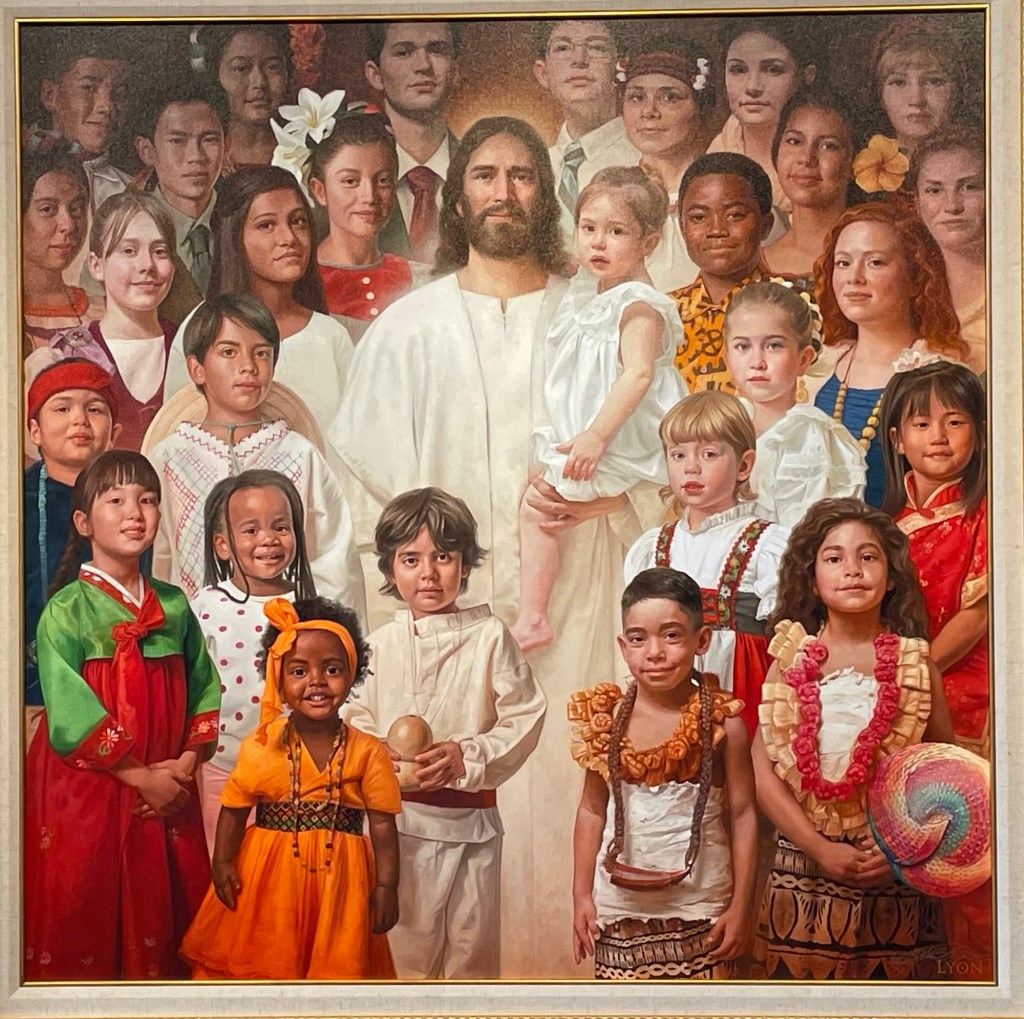
  • I Am A Child of God by Howard Lyon

    I had a conversation this week that made me reflect on our individual differences. Despite those differences, I was reminded that God loves me just as much as the next person. The homes I have been welcomed into here in South Africa are often very meager and humble, yet in those places I have felt some of the strongest evidence of God’s love for His children.

    President Russell M. Nelson has taught: “God does not love one race more than another. His doctrine on this matter is clear. He invites all to come unto Him—black and white, bond and free, male and female.” That truth is universal—no matter our background, circumstances, or differences, we are all sons and daughters of Heavenly Parents who love us dearly.

    The Savior Himself commanded, “Thou shalt love thy neighbour as thyself” (Matthew 22:39). Elder Jeffrey R. Holland once explained: “When we truly love God, we will love our neighbors as ourselves. That love is the first great commandment made manifest in the second.” In other words, the way we show our love for God is through the way we treat one another.

    President Thomas S. Monson counseled: “Never let a problem to be solved become more important than a person to be loved.” That has stuck with me. Too often we may notice what makes someone different from us, but the Lord invites us to see beyond those differences and to see others the way He sees them.

    I have learned that God’s love is not measured by wealth, status, or even by perfection. His love is constant and infinite. When we open our hearts to love one another—especially those who feel unseen or on the margins—we are aligning ourselves with His will.

    So my prayer is simple: May each of us remember that no matter who we are, where we come from, or what makes us unique, God loves us. My humble invitation it that we strive to show Him our love by the way we choose to love one another.

  • I want to begin with a heartfelt thank you to all who support the missionaries serving around the world. Missionary work is not something we accomplish alone. While we are guided and strengthened by the Holy Ghost, inspired companions, and mission leaders, we are also sustained by our families and friends at home whose encouragement, sacrifices, and prayers lift us daily.

    A part of our South Africa Pretoria Mission orientation packet is a poem by Meade McGuire entitled “Father, Where Shall I Work Today?

    Father, where shall I work today? And my love flowed warm and free. Then He pointed out a tiny spot. And said, “Tend that for me.”

    I answered quickly, “Oh no; not that!Why, no one would ever see. No matter how well my work was done; Not that little place for me.”

    And the word He spoke, it was not stern; He answered me tenderly: “Ah, little one, search that heart of thine. Art thou working for them or for me?

    Nazareth was a little place, And so was Galilee.”

    This poem reminded me that the Lord does not measure the worth of our service by how visible or dramatic it is. Often, He calls us to “tiny spots”—small, unseen acts of faith and service that may seem unnoticed by the world but are precious in His sight.

    The Book of Mormon teaches this same truth: “By small and simple things are great things brought to pass; and small means in many instances doth confound the wise.” (Alma 37:6–7)

    As I adjust to missionary service—whether it’s driving on the other side of the road, learning to think in the metric system, or finding ways to support the proselytizing missionaries—I’ve felt the Lord gently reminding me that the unseen things matter. Repairing bikes, troubleshooting phone issues, encouraging a missionary, offering a prayer, sending a kind message, or simply listening with love—all of these are sacred works in the Lord’s vineyard.

    Our purpose as missionaries is simple and profound: “Our purpose is to invite others to come unto Christ by helping them receive the restored gospel through faith in Jesus Christ and His Atonement, repentance, baptism, receiving the gift of the Holy Ghost, and enduring to the end.”

    But we do not fulfill this purpose in isolation. We are upheld by countless unseen sacrifices—the faith of parents, the prayers of friends, the quiet acts of support from church members. These “tiny spots” of service, when performed with love, ripple into eternity.

    There is a Zulu word that perfectly describes this truth: Ubuntu. It is a principle that means “I am because we are.” Ubuntu reminds us that our lives are bound together and that the well-being of one is tied to the well-being of all. It teaches:

    • Interconnectedness: We are not separate, but part of one another’s journey.

    • Compassion and Empathy: We lift one another through kindness, prayer, and love.

    • Human Dignity: Every soul has divine worth, no matter their circumstance.

    • Community: We find strength in belonging to and serving within the body of Christ.

    • Reconciliation: Through forgiveness and healing, we build unity and peace.

    The Apostle Paul taught the same principle when he wrote: “For as the body is one, and hath many members, and all the members of that one body, being many, are one body: so also is Christ… And whether one member suffer, all the members suffer with it; or one member be honoured, all the members rejoice with it. Now ye are the body of Christ, and members in particular.” (1 Corinthians 12:12, 26–27)

    Ubuntu mirrors the way the Lord builds His kingdom. Missionaries may labor far from home, but their strength often flows from those who support them. Families who pray and friends who write are all part of the great web of discipleship that sustains us.

    In truth, missionary work is not just the effort of those wearing name tags—it is the combined work of the entire body of Christ, each part fulfilling its divine role.

    So today, I thank you. Thank you for your prayers, your love, your encouragement, and your unseen acts of faith. You are part of this work. And whether your efforts feel small or hidden, the Lord sees them—and they matter eternally.

  • Every now and then, the Lord gives us an unexpected moment that reminds us just how closely He walks with us—how aware He is of our hearts, our histories, and our personal healing.

    Recently, I had one of those moments. It began with two missionaries who followed a quiet prompting to invite me to accompany them to pick up a new missionary who was flying in from Manila. On the surface, it seemed like a normal invitation to serve—just a chance to help welcome someone new.

    But what unfolded was anything but ordinary. The new missionary happened to be from a suburb near the place where my late wife, Tisa, was born. She was later adopted from that area, and her—and our daughter Risa’s—Filipino heritage has always carried special meaning for our family. The timing of the pickup was also significant: it happened to fall on Tisa’s birthday. That detail alone felt like a tender mercy, as if the Lord were gently weaving something sacred behind the scenes.

    During our ride from the airport, I had the chance to speak with this new missionary. His testimony of the restoration of the gospel and his faith journey were inspiring. In that quiet conversation, the Spirit gently opened my heart in a way I had not anticipated. The Plan of Salvation—something I have believed, taught, and cherished for years—suddenly felt incredibly personal. I felt the Savior’s love not just for me, but for Tisa, for our family, and for all of us navigating the beauty and complexity of family, identity, and eternal progression.

    As we approached the security area to meet the new missionary, I caught a glimpse—just a feeling, really—of the reunion Tisa may have experienced with family members who preceded her in death, particularly those she never had the chance to meet in this life. I imagined the tears of relief, the joy, the profound peace that comes when long-held questions are answered and long-separated hearts are finally made whole. That small moment brought a measure of healing to my own heart—something I hadn’t even realized I needed that day.

    What started as a simple airport run turned into a divine experience—one that reminded me that God’s work is happening all around us, often in quiet and unexpected ways. I am especially grateful for two faithful missionaries who listened to the Spirit, acted on a prompting, and—through one small invitation—helped open a window into eternity for me.

    This experience strengthened my testimony that no act of service is ever small when it’s done by the Spirit. When we follow those promptings to love, share, and invite, we never know just how far-reaching the impact might be.